

OQGN continues to strengthen its commitment to Oman’s socio-economic development by prioritizing in-country value (ICV) and supporting local businesses. In parallel, the Company advances community-focused initiatives that promote environmental stewardship, education, and social well-being, contributing to sustainable national development.
Local Spend
In 2025, OQGN reinforced its commitment to supporting Oman’s local economy by embedding ICV principles across its procurement and contracting processes. The Company implemented enhanced measures to increase the participation of Small and Medium Enterprises (SMEs), including dedicated tendering opportunities and targeted provisions for Riyada Card holders. A total of 54 contracts/purchase orders were directly awarded to Riyada-registered companies, with a cumulative spend of X 1.85 Mn.
Strategic sourcing practices were refined to deepen engagement with local suppliers, while major contracts incorporated defined ICV objectives to maximize local economic impact. During the year, OQGN recorded local procurement spend of X 14.86 Mn, representing 23% of total procurement expenditure, underscoring its continued commitment to supporting domestic businesses and value retention within the Sultanate.
Community Engagement
In 2025, OQGN strengthened its Corporate Social Responsibility (CSR) efforts through initiatives designed to deliver measurable and lasting social value. With a focus on education, skills development, environmental awareness, health, and community cohesion, the Company contributed to sustainable socio-economic progress across the Sultanate of Oman. Overall, 6 different governorates in the Sultanate of Oman benefited from those initiatives and about 13,500 people were directly impacted.
Education and Youth Development
OQGN advanced educational outcomes through targeted interventions, including the provision of interactive digital tools at Al Subaikhi School and the construction of a modern multi-purpose hall serving students of Balj bin Okbah School, Ateka Basic School, and the surrounding community.
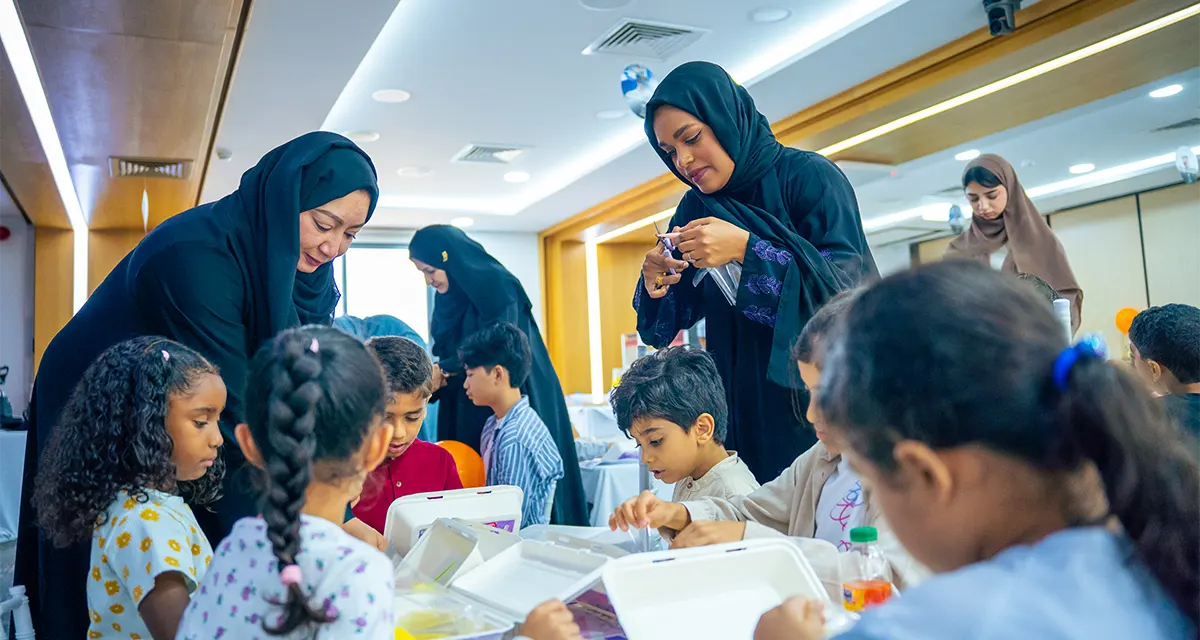
The Company also supported the Annual Youth Bootcamp, equipping young participants with practical skills in the use of artificial intelligence, entrepreneurship, clean energy, and leadership, initiatives aligned with Oman Vision 2040.
Environmental Stewardship
Environmental stewardship remained a priority throughout the year. Through the Turtle Mandoos program, OQGN delivered experiential marine conservation education to more than 700 students, using tools tailored to Oman’s biodiversity. Program impact will continue to be monitored to inform future expansion and maximize long-term environmental awareness.
SME Development
OQGN continued the implementation of Tasaud 2.0, its SME development program, in partnership with Sharakah. The program provides structured training, mentorship, business model development, and post-program incubation support for up to 60 SMEs, strengthening local entrepreneurial capabilities and economic participation.
Health and Well-being
As part of its commitment to community health, OQGN supported the launch of an Obesity Clinic at Bidbid Health Center. The clinic provides structured treatment plans, nutritional guidance, and ongoing follow-ups, and was equipped with a body composition analysis device in collaboration with the Oman Cancer Association. The initiative reinforces the Company’s focus on preventive healthcare and long-term community well-being.
Community, Sports, and Cultural Engagement
OQGN also promotes community cohesion and healthy lifestyles through active engagement in sports and cultural initiatives. The Company sponsored 200 government school students to participate in the Muscat Marathon 2025, encouraging youth participation in physical activity.
In addition, OQGN supported key national and regional events, including Al Jabal Al Akhdar Tourism Festival, Himam Trail Run, and the Pomegranate Harvest Festival. These partnerships strengthened stakeholder relationships, supported local tourism, enhanced government engagement, and contributed to the mitigation of social risks in communities located near pipeline corridors.